
Fia F4
Learn about Fia F4
Updated July 2, 2025
TL;DR – Rookie Quick Start
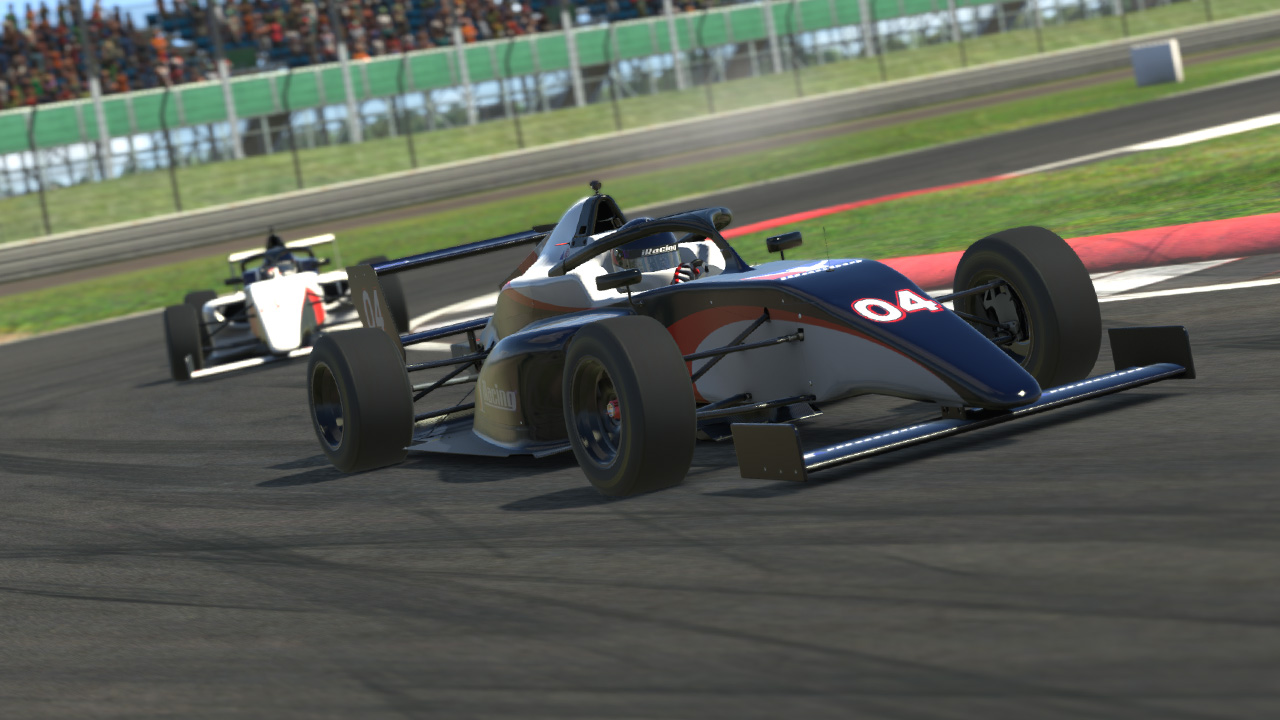
- Feels light, direct, and grippy, but it still behaves like a momentum car that rewards smooth inputs.
- The single most important thing: brake hard in a straight line, then release smoothly before turn-in.
- Most rookie spins happen from trailing the brakes too deep and then snapping to throttle too early.
- It’s modestly forgiving at low speed but punishes mid-corner mistakes and curb abuse at high speed.
- The car rewards smoothness and patience more than aggression; tidy hands and tidy feet win.
- Mental cue: “Brake hard, release early, squeeze the throttle.”
1. What This Car Is
- The FIA F4 is an entry-level, wings-and-slicks formula car used worldwide to teach fundamentals of open-wheel racing.
- In iRacing, it typically lives in the Class D license tier and serves as the first real “aero car” after beginner machines.
- Best for drivers who want a clear step up from Formula Vee/Formula Ford-style cars into proper downforce driving without the brutality of F3 or beyond.
- Different from other cars on the ladder because it blends mechanical grip with modest aero: you learn to trust downforce in fast corners but still drive it like a momentum car at lower speeds.
2. Key Specifications (Beginner-Relevant)
- Engine/Drivetrain: Mid-engine, rear-wheel drive.
- What it means: Rear tires do the work; weight is centered, so balance is good but the rear can step out if you’re rough with brake release or throttle.
- Power/Weight: Roughly 160–180 hp, around 550–600 kg.
- What it means: Acceleration is decent, but maintaining momentum and exit speed matters more than raw power.
- Tires: Slicks (with wets when running rain sessions).
- What it means: Great grip when warmed; sliding overheats and wears them quickly, reducing pace and stability.
- Downforce: Low-to-medium.
- What it means: You’ll feel help in medium/fast corners, but aero won’t save you at low speed—patience and rotation off the brakes are key.
- Gearbox: 6‑speed sequential, paddle shift.
- What it means: Left-foot brake, clean downshifts, avoid rapid-fire downshifts while still hard on the brakes to keep the rear stable.
- Series Format: Popular official series are often Fixed setup, with some Open setup options.
- What it means: In Fixed, focus on driving fundamentals; in Open, learn basic setup tweaks once you’re consistent.
3. Driving Tips for This Car
Braking
- Hit peak brake pressure early in a straight line, then smoothly bleed off as speed drops (threshold-to-trail).
- Use just enough trail braking to help the nose bite at turn-in; release most of it by early/mid-corner to avoid rear rotation snaps.
- If the rear feels nervous on entry, move brake bias forward a click or release the brake a beat earlier.
Throttle and Exits
- Squeeze, don’t stab: blend throttle progressively as steering unwinds.
- Short-shift if you’re fighting wheelspin on corner exit; prioritize traction over revs.
- Aim to be at full throttle by the time the car is mostly straight—earlier is faster only if the car stays planted.
Steering and Weight Transfer
- Keep hands calm and precise; smaller, earlier inputs are better than big mid-corner corrections.
- Let the brake release rotate the car rather than yanking the wheel.
- Trust the aero in medium/fast bends, but build up to it—carry speed progressively until you find the limit without sudden lifts.
Lap Stability
- Be consistent with brake release points; that’s where most balance issues start.
- Avoid hopping big curbs and sausage kerbs—this car doesn’t like being launched.
- Manage tire temps: a tidy lap is a fast lap; sliding costs grip for the next corners.
Repeatable Habits to Practice
- “Marker–hit–release” drill: pick a brake marker, hit max pressure quickly, then count a smooth 1–2 beat release into turn-in.
- Exit focus: commit to a throttle squeeze rule—no more than 10–15% per tenth of a second until the wheel is nearly straight.
4. Common Beginner Mistakes
- Over-trailing the brakes into apex
- Problem: Carrying too much brake past turn-in unloads the rear and causes a snap or mid-corner push-then-snap.
- Fix: Release earlier and smoother; aim to be mostly off brake by the time you reach the rotation point.
- Early, aggressive throttle with lots of steering lock
- Problem: Wheelspin or power-on oversteer exiting slower corners.
- Fix: Wait for partial straightening before squeezing throttle; short-shift if needed.
- Rushing downshifts while braking hard
- Problem: Engine braking locks the rears and unsettles the car.
- Fix: Space your downshifts; match them to the speed drop and reduce pressure slightly as you click each gear.
- Attacking big curbs like a GT car
- Problem: The car skips, loses contact patch, and spins or understeers off.
- Fix: Use flatter curbs; if a curb launches the car, avoid it or straddle gently.
- Overdriving high-speed corners
- Problem: Turning in too fast and lifting mid-corner kills aero load and balance.
- Fix: Commit to an achievable entry speed and a steady throttle; small confidence lifts, not big stabs.
- Chasing setup before fundamentals (in Open)
- Problem: Trying springs/wing changes to fix what’s really a brake release or line issue.
- Fix: Nail consistent lines, markers, and inputs first; then adjust small setup items (brake bias, wing, ARB) with intent.
5. Who Should Drive This Car
- You’ll enjoy it if you like precise, lightweight cars that reward clean technique and momentum.
- It builds core skills: brake release control, traction management, aero trust, and smooth steering.
- It’s a perfect bridge from Formula Vee/Formula Ford to faster aero cars like the Dallara F3 or other advanced single-seaters as you move toward higher licenses.
Coach’s closing note: Treat the brake release as your main balance tool, be patient with throttle, and the FIA F4 will teach you fast, consistent open-wheel driving the right way.